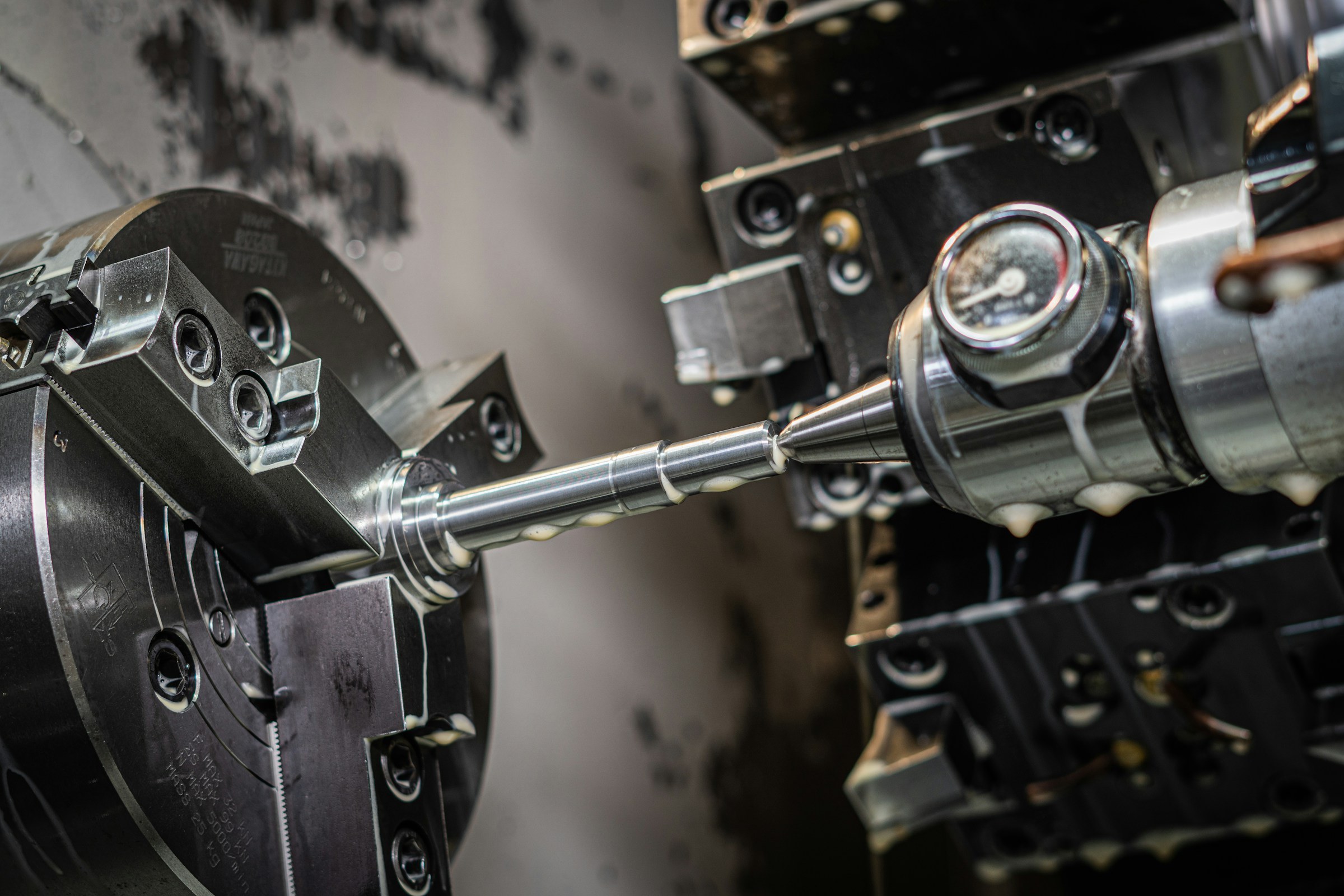
A shaft being machined on a CNC lathe.

Run customer builds against approved requirements.

Every customer job has its own drawings, tolerances and delivery terms. Bourne agents connect those requirements to material, capacity, the traveler and inspection, then carry approved changes through production and shipment.

Talk to us

By continuing, you agree that we may contact you about Bourne. Privacy policy.

01

Catch the revision before the first part is cut.

Rev D tightens the shaft runout limit. The drawing and BOM are approved, but the traveler and inspection plan still say Rev C. With 20 blanks kitted and no machining started, Bourne prepares the new work package and flags the blank specification for engineering to check. Production waits for engineering and quality approval.

02

Put the extra inspection on a real schedule.

Rev D calls for a runout check on every shaft. The inspection station needs four hours and is already booked for another customer on Thursday morning. Bourne proposes an afternoon slot that leaves the other job in place. The planner approves the new completion time.

03

Resolve the two failed parts before shipment.

Fifty-eight shafts pass. Two fail the runout check. Bourne ties each result to its serial number, drafts the nonconformance, and lays out the rework and partial-shipment options. The shipment stays blocked until quality decides how to handle the failed parts and approves the shipping plan.

For contract builders

All manufacturing resources ↗